
 Legacy Software Modernization
 Webinars & playbooks
Live sessions and recordings on legacy modernization, AI readiness, and product strategy from the Corsac team.
300+ minutes
of practical insight
7+ experts
sharing real project experience
16K+ views
across all sessions
Live sessions and recordings on legacy modernization, AI readiness, and product strategy from the Corsac team.
300+ minutes
of practical insight
7+ experts
sharing real project experience
16K+ views
across all sessions
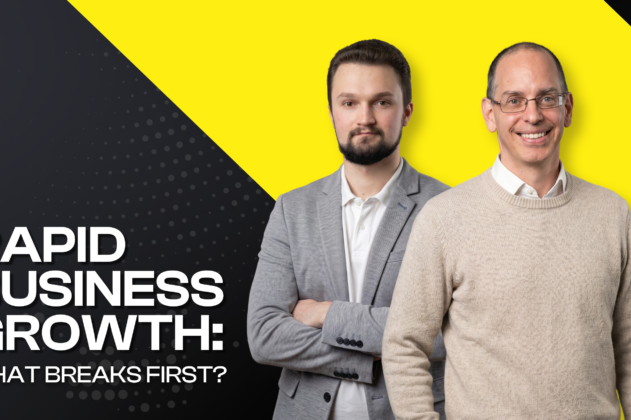
This webinar will explore how rapid business growth affects the technology, finances, and operations behind a company.
52m
Sep 16, 2026
This webinar breaks down why AI accelerates code generation but still derails project timelines.
Sep 16, 2026
This session exposes the exact financial damage of relying on legacy tech. We break down the real cost of technical debt, bloated vendor dependencies, and the brutal reality of the parallel operation phase.
17m
Jul 16, 2026

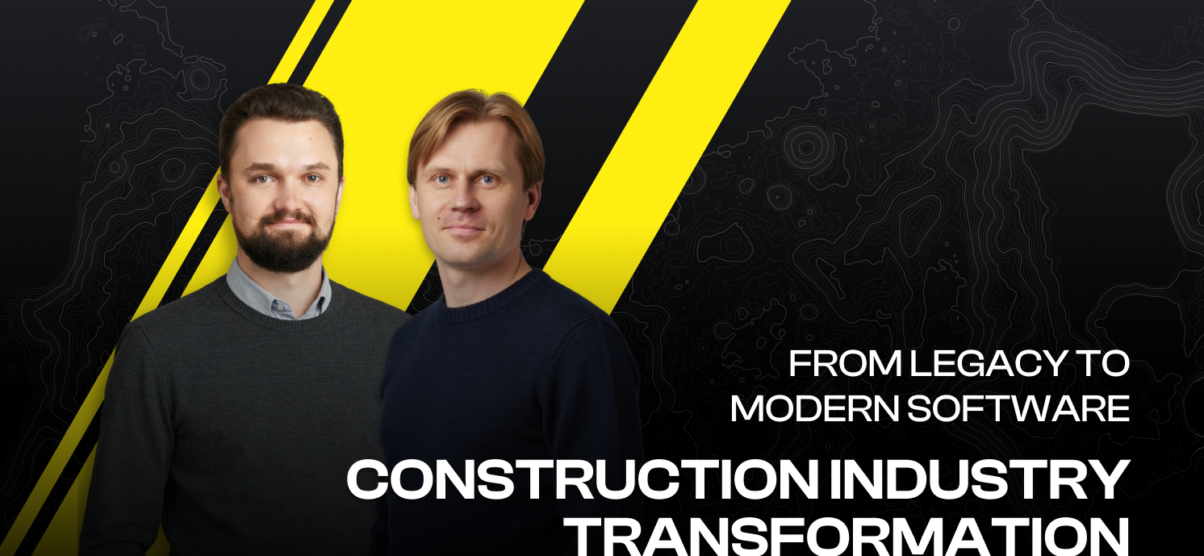
In this webinar, we explore why software modernization in construction is not just about moving to the cloud or rewriting legacy code — it’s about rethinking workflows, integrating data, and making software truly usable on real job sites.
56m
Aug 4, 2026
Every session comes from a real Corsac engagement.
Here’s who typically gets the most out of each one.

For healthcare professionals exploring AI-driven diagnostics, founders and product leaders in healthtech or biotech, CTOs and engineers solving real deployment problems, and investors tracking how AI actually plays out in clinical settings.
For compliance and legacy-system owners, healthtech product teams, clinicians curious about AI in practice, and investors trying to read where the sector is heading.
For CEOs watching modern startups eat their market share, CTOs stuck justifying a costly overhaul, PMs tired of pushing back feature launches, and finance leaders done guessing at IT budgets.
For founders, CTOs, and product leads standing at a turning point — refactor, reengineer, or rebuild — with real budget on the line.
Sign up for our newsletter and we’ll keep you in the loop.
Exclusive session
Get a practical framework for reviewing AI-generated code, closing the context gaps that cause technical debt, and turning fast prototypes into reliable, scalable production systems.
The video link lands in your inbox immediately.
Legacy system modernization is the process of updating outdated software and infrastructure to make them more efficient, secure, and scalable. Businesses need it because old systems increase technical debt, slow down development, and create security risks. By modernizing, you reduce costs, improve performance, and open the door to innovation and growth.
Legacy system modernization is the process of updating outdated software and infrastructure to make them more efficient, secure, and scalable. Businesses need it because old systems increase technical debt, slow down development, and create security risks. By modernizing, you reduce costs, improve performance, and open the door to innovation and growth.
Legacy system modernization is the process of updating outdated software and infrastructure to make them more efficient, secure, and scalable. Businesses need it because old systems increase technical debt, slow down development, and create security risks. By modernizing, you reduce costs, improve performance, and open the door to innovation and growth.
Legacy system modernization is the process of updating outdated software and infrastructure to make them more efficient, secure, and scalable. Businesses need it because old systems increase technical debt, slow down development, and create security risks. By modernizing, you reduce costs, improve performance, and open the door to innovation and growth.
Legacy system modernization is the process of updating outdated software and infrastructure to make them more efficient, secure, and scalable. Businesses need it because old systems increase technical debt, slow down development, and create security risks. By modernizing, you reduce costs, improve performance, and open the door to innovation and growth.